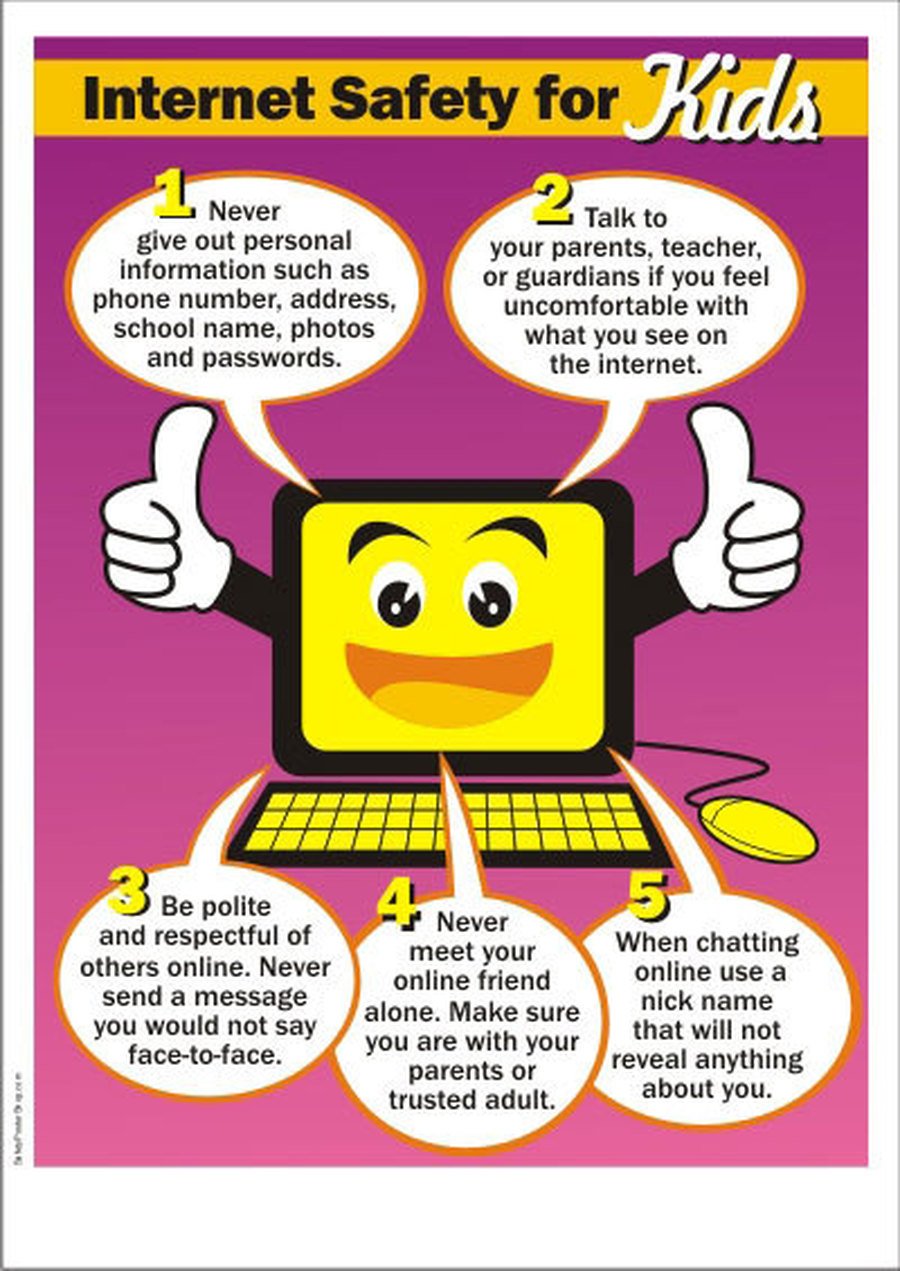
We are always looking for ways to support our pupils and parents with online safety. If you have any concerns about your child's access to websites, apps or games, please come and talk to us, or use the links on this page to internet safety sites.
Click here to read our Online Safety Policy
Safer Internet Day
10th February 2026
informed decisions regarding their online activities. The event will explore how AI can be utilized positively while also addressing the potential risks associated with its use.
 |
 |
Support for parents and carers
There is always support available if you need it. Contact the school directly if you have any worries concerning your child’s safety online.
Useful websites:
We hope that the following websites will help you to understand ways to support your child and keep them safe while online:
- CEOP Education – Parents & Carers
- Childnet
- Internet Matters
- LGfL ParentSafe
- NSPCC
- UK Safer Internet Centre
Resources for parents
There are many guides for parents online, but please click on the image below for a comprehensive guide to some of the more popular apps that our children have shown an interest in.
- What Parents & Educators Need to Know about: Snapchat
- What Parents & Educators Need to Know about: Nintendo Switch 2
- What Parents & Educators Need to Know about: Youtube Kids
- What Parents & Educators Need to Know about: Violent Content Online
- What Parents & Educators Need to Know about: Minecraft
- What Parents & Educators Need to Know about: Making Friends Online
- What Parents & Educators Need to Know about: Streamers
- What Parents & Educators Need to Know about: Roblox
- What Parents & Educators Need to Know about: Fake News & Scams
- What Parents & Educators Need to Know About: TikTok
- What Parents & Educators Need to Know about Mental Health and Wellbeing Apps
- Top 10 Tips: Encouraging Children to Choose Respect
- What Parents & Educators Need to Know about: Horror Films and Age Ratings
- Top 10 Tips: Using and Reviewing Parental Controls
- What Parents and Educators Need to Know about: Online Trolling
- What Parents and Educators Need to Know about: Pop Ups
- 10 Top Tips for Parents and Educators: Encouraging Healthy Friendships
- 10 Top Tips for Parents and Educators: Developing Healthy Sleep Patterns
- Top Tips for Managing Screen Time
- Smartphone Safety Tips for Young People
- Top Tips for Setting up Parental Controls on New Devices
- What Parents and Carers Need to Know about: Smart TVs
- What Parents and Carers Need to Know about: X
- What Parents and Carers Need to Know about: WhatsApp
- What Parents and Carers Need to Know about: Sharing Photos Online
- What Parents and Carers Need to Know about: Live Streaming
- What Parents and Carers Need to Know about: AI Virtual Friends
- What Parents and Carers Need to Know about: Anime
- Looking after Your Wellbeing Online
- What Parents and Carers Need to Know about: Telegram
- 10 Top Tips for Safely Using Smartwatches
- Helping Children and Young People with Managing Device Stress and Anxiety
- Ten Top Tips for Stronger Passwords
- Top Tips for Adopting Safe and Healthy Online Habits
- What Parents & Carers Need to Know about: iPads
- Tips for Encouraging Open Discussions about Digital Lives
- 12 Top Tips for Building Cyber Resilience at Home
- What Parents & Carers Need to Know about: How to Combat Online Bullying
- 10 Ways You Can Share Kindness Online
- Reddit – What Parents & Carers Need To Know
- Twitch – What Parents & Carers Need To Know
- Virtual Reality – What Parents & Carers Need To Know
- Six Top Tips for Parents To Keep Your Children Safe Online
- Netflix Checklist
- Instagram checklist
Some other resources which you may find helpful in supporting your child online are:
- Tips, advice and guides for parents and carers from the UK Safer Internet Centre (saferinternet.org.uk/parents)
- Advice for parents and carers from Childnet (childnet.com/parents-and-carers)
- Reviews and information about games, apps, TV shows and websites from Common Sense Media (commonsensemedia.org)
- Help on using parental controls and privacy settings from Internet Matters (internetmatters.org./controls)
- Information and reporting of online grooming or sexual abuse from CEOP (ceop.police.uk)
 |
 |
 |
 |
Contact the school:
Tel: 01924 326756
email: office@staincliffejuniorschool.co.uk
SMART RULES
SAFE - Keep safe by being careful not to give out personal information when you’re chatting or posting online. Personal information includes your email address, phone number and password.
MEET - Meeting someone you have only been in touch with online can be dangerous. Remember online friends are still strangers.
ACCEPT - Accepting emails, messages, or opening files, images or texts from people you don’t know or trust can lead to problems – they may contain viruses or nasty messages!
RELIABLE - Someone online might lie about who they are and information on the internet may not be true. Always check information by looking at other websites, in books, or with someone who knows.
TELL - Tell a parent, carer or a trusted adult if someone, or something, makes you feel uncomfortable or worried.